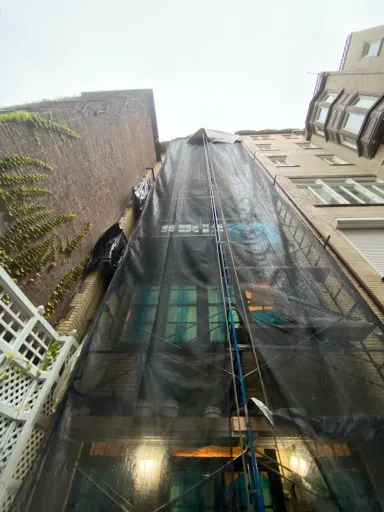
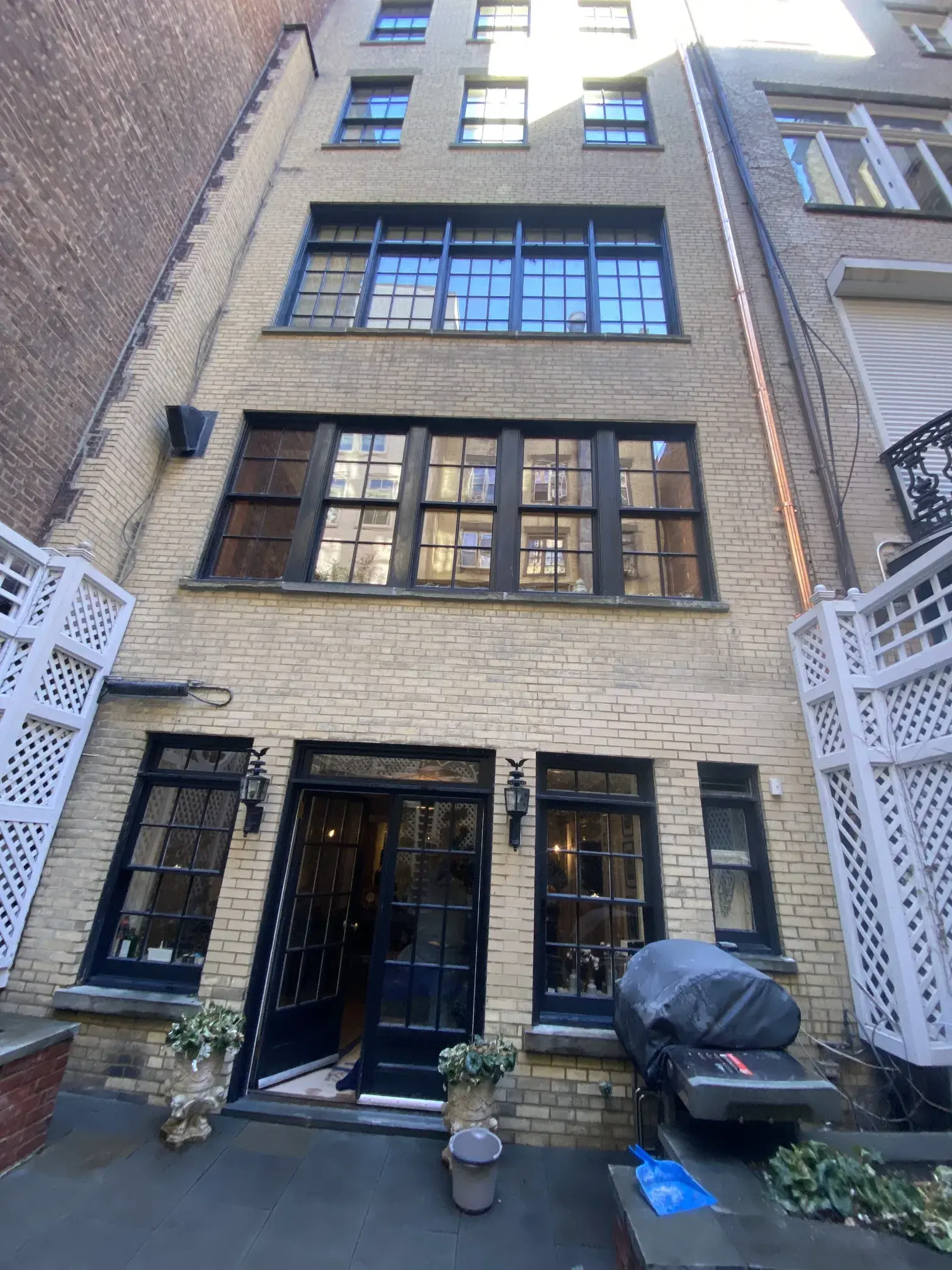
What we do
- Stone restoration NYC
- Masonry restoration & masonry restoration contractors
- Limestone restoration
- Brick restoration & brick building restoration
- Historic & commercial masonry restoration
- Cast stone, granite & terra cotta repair
Recent NYC projects
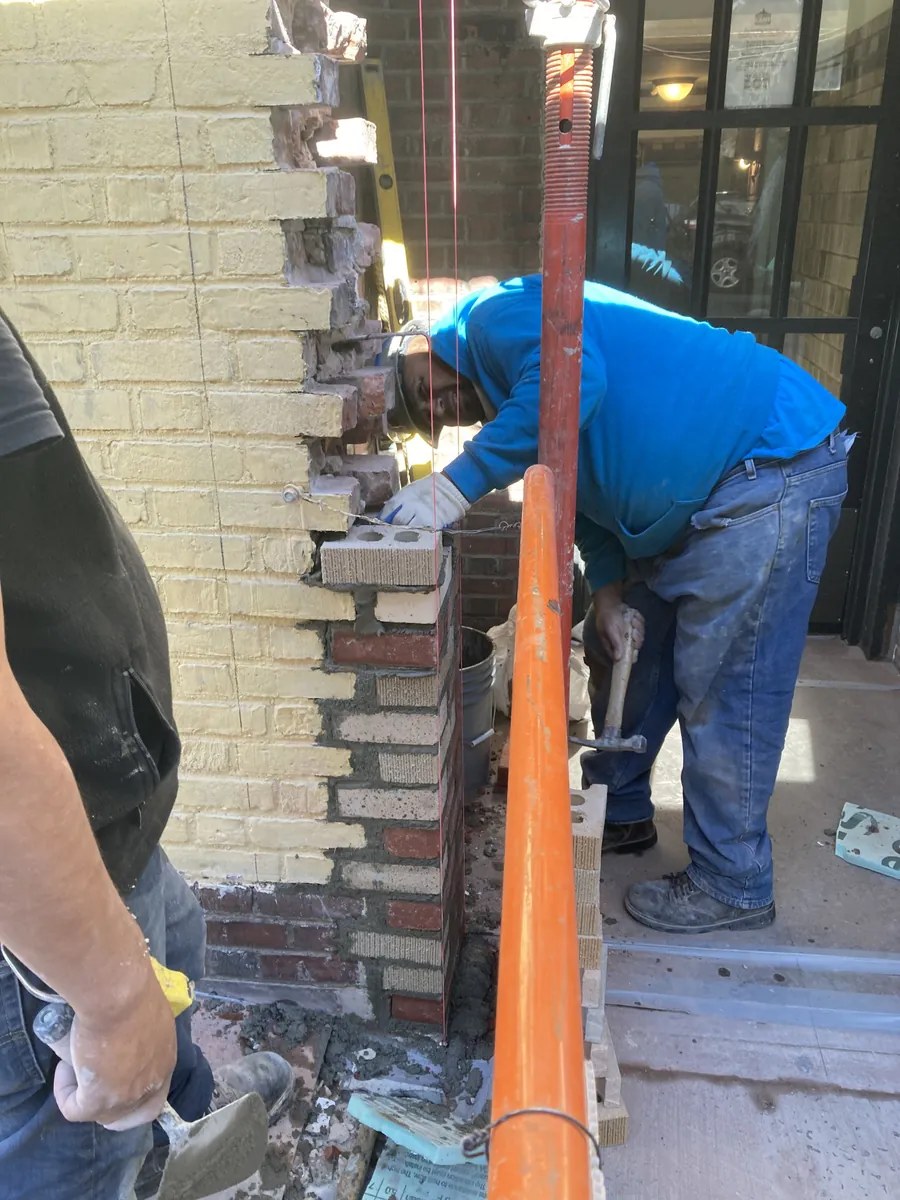
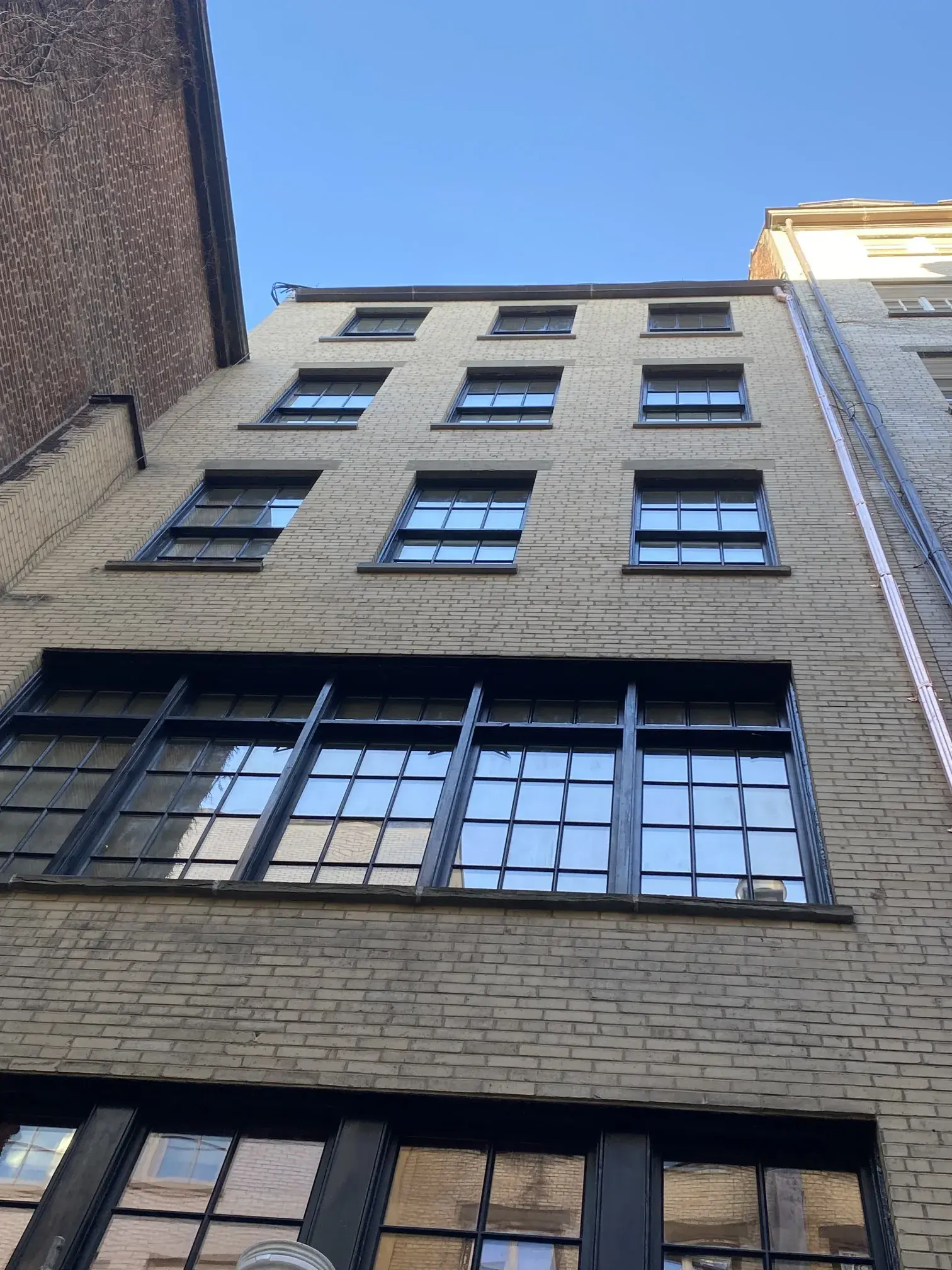
What NYC building owners say
Material science meets craftsmanship
Stone restoration begins with material analysis. We identify the stone type, assess deterioration patterns, and specify repair materials that match in composition, hardness, and thermal behavior. Using repair mortar that's harder than the original stone guarantees future spalling.
Repair techniques range from consolidation (stabilizing weakened stone in place) to Dutchman repairs (cutting out damaged sections and replacing with matching stone) to full unit replacement. The approach depends on the stone type, location, and extent of deterioration.
Stone facade showing deterioration?
Free assessment. We'll identify the stone type and specify compatible repairs.
Restoring NYC's stone facades
New York's commercial buildings feature limestone, brownstone, granite, and cast stone facades that have endured a century or more of exposure. These materials are durable — but not indestructible. Water infiltration, freeze-thaw cycling, pollution, and improper previous repairs all contribute to deterioration.
Stone restoration demands material knowledge that goes beyond standard masonry. Each stone type has different porosity, strength, and weathering characteristics. Repair materials must be compatible in composition, thermal expansion, and vapor permeability — or the repair causes more damage than the original problem.
The same rule holds for the brick, mortar and terra cotta around the stone. Masonry restoration on a pre-war building treats them as one wall, so limestone restoration, brick restoration and terra cotta repair are scoped together rather than handed between trades.
Common stone deterioration
Spalling & Scaling
Surface layers separate from the stone body due to moisture and freeze-thaw cycling. Common on brownstone and softer limestones exposed to weather.
Cracking & Fractures
Structural movement, embedded metal corrosion, and thermal stress create cracks that allow further water infiltration and accelerate deterioration.
Erosion & Surface Loss
Wind, rain, and pollution gradually wear stone surfaces. Carved details soften, profiles lose definition, and the protective surface patina erodes.
Failed Previous Repairs
Incompatible patch materials — too hard, wrong color, improper bond — often cause more damage than the original defect. We remove failed repairs and do them correctly.
Brick, Cast Stone & Terra Cotta
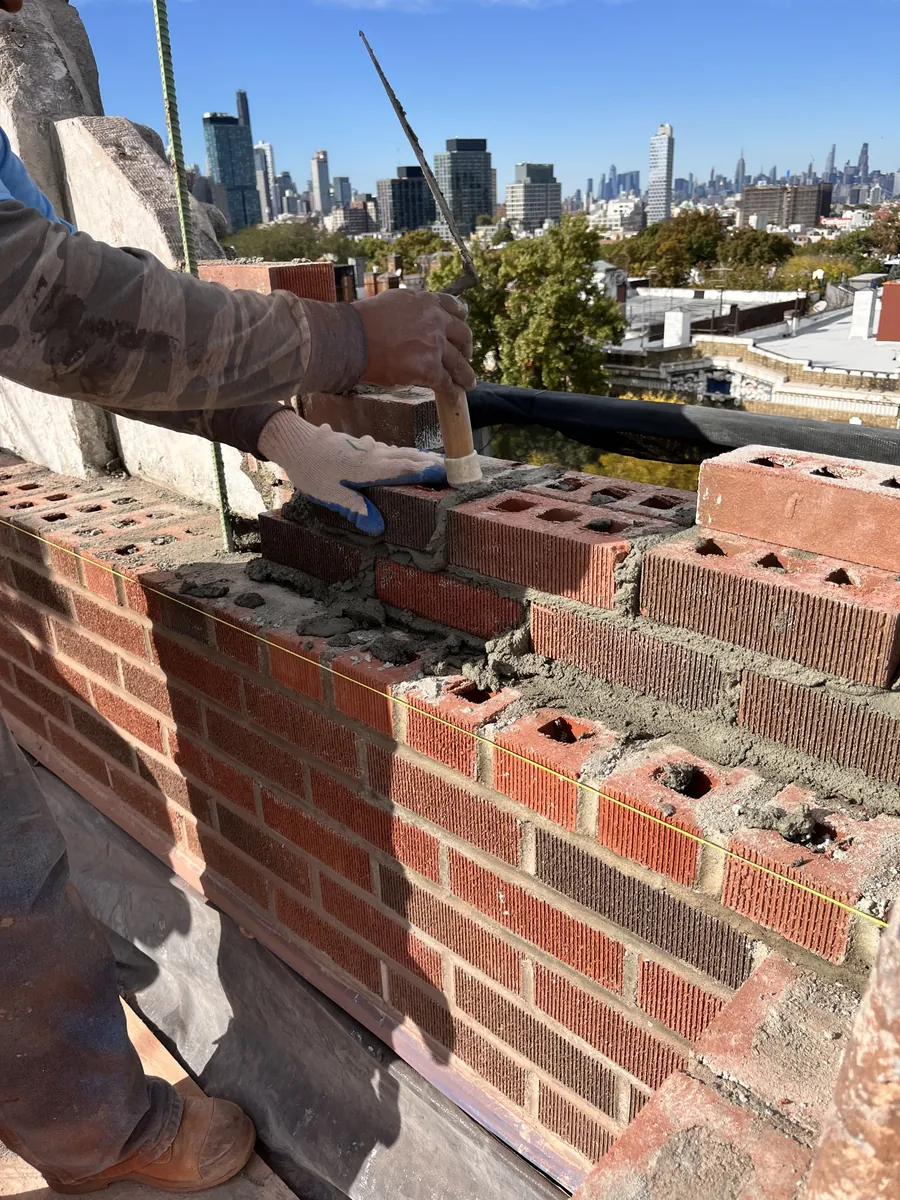
Masonry restoration rarely stops at one material. Spalled brick is replaced with matched units and repointed, cast stone is patched with compatible mortars or replaced, and cracked terra cotta is pinned, patched or replaced in kind, all under the same scope as the stone.
Maintaining restored stonework
Stone facades benefit from regular monitoring and targeted maintenance.
Frequently Asked Questions
Respect the material. Restore it properly.
Stone restoration requires material knowledge and compatible methods. We deliver preservation-quality results.